
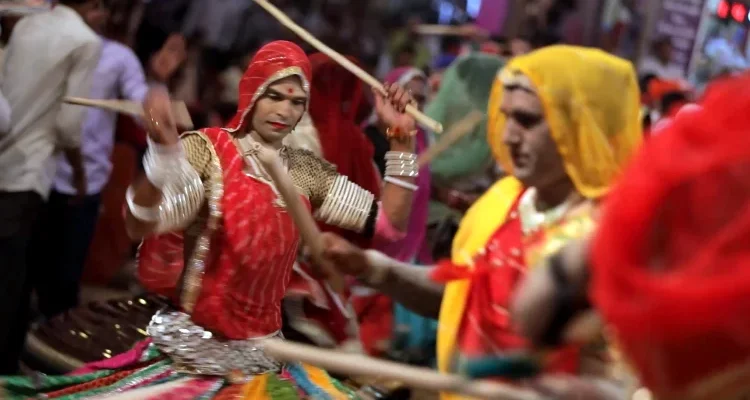
In the heart of Rajasthan, particularly in the vibrant region of Shekhawati, lies a unique cultural tradition known as Gindad. This festive event is celebrated primarily during Holi, the festival of colours, and is a magnificent showcase of local artistry, creativity, and community spirit. Over 15 days leading up to the festival, the community comes together to exhibit their cultural heritage, bringing unity and joy. In this blog, we will delve into the history, cultural context, and distinctive elements characterized by their humorous and engaging nature, with participants often improvising and interacting with the audience which makes the Gindad dance a truly fascinating experience.
The Cultural Roots of Gindad
Gindad has deep roots in the cultural identity of Shekhawati, which includes several districts such as Jhunjhunu, Churu, Bikaner, and more. The language spoken here plays an important role in maintaining this unique identity. Around 15 days before Holi, the community starts preparing for the festival with another celebration called Chang. During Chang, people gather after work—whether they are farmers, shopkeepers, or government officials—to enjoy singing and dancing together. This communal spirit sets the stage for the festivities that follow.
Daytime Celebrations
During the day, people gather to play the chang, a traditional drum. Chang-playing competitions are held, adding an element of friendly rivalry to the festivities. As the afternoon progresses, people from all walks of life – government officials, farmers, shopkeepers, and labourers – come together to sing and dance.
Late Night Performances
As night falls, the real magic of Gindad begins. Performers, known as “swans,” dress up in elaborate costumes to portray various characters. This is where the creativity and humour of Gindad truly shine:
- Meheri
Men dress as women, often borrowing clothes from female relatives or neighbours. They meticulously transform themselves into grandmothers, aunts, sisters, or wives. - Character Impersonation
Performers bring to life a wide range of characters, from local personalities to mythological figures. They might portray misers, saints, cheaters, or even foreign stereotypes like Englishmen in suits. - Social Commentary
Through their portrayals, performers often provide humorous commentary on social issues, local gossip, or current events. They might imitate politicians, religious figures, or even controversial public figures. - Attention to Detail
The level of dedication to authenticity is remarkable. Performers use creative makeup, costumes, and props to transform themselves so completely that even their own family members often can’t recognize them.
The Dance
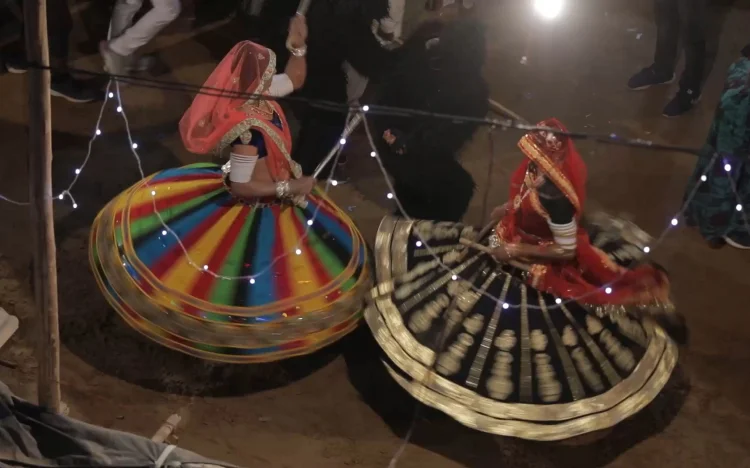
The heart of Gindad is its energetic dance performances. Dancers form circles and move to the rhythm of traditional music, often wielding sticks that they strike in time with the beat. The dance is divided into four “gates” or segments, each lasting about two hours. Performers must maintain their energy and enthusiasm throughout the night, often dancing until the early hours of the morning.
The Momasar Experience
While Gindad is celebrated in various parts of Shekhawati, the village of Momasar has gained particular fame for its elaborate and inclusive celebrations. The Momasar Gindad has several distinctive features:
- Three-day celebration
The festivities in Momasar typically last for three nights, with the intensity and participation increasing each day. - Community involvement
The entire village comes together to organize and participate in the event, with even those working outside returning to take part. - Inclusive atmosphere
Momasar has been at the forefront of making Gindad more inclusive, welcoming participation from all castes and encouraging women to join in the celebrations. - Elaborate preparations
The village is decorated, and significant effort goes into arranging lighting, sound systems, and other logistics to enhance the experience. - Competitive element
Momasar has introduced awards for best dancers, best costumes, and other categories, adding a competitive spirit to the festivities.
The Symbolism and Meaning Behind Gindad Dance
The attire, dance and music symbolise the cultural heritage of the community. It serves as an expression of honouring ancestors, respect for nature, leadership and respect for collective harmony. The dance conveys the narratives of historical events, mystical tales and moral lessons. It is deeply rooted in ancient traditions and holds relevance in the modern world.
Gindad has inculcated modern musical styles and instrumentation while retaining its core rhythms and melodies. Choreography has adapted to integrate more theatrical elements and storytelling to appeal to contemporary audiences.
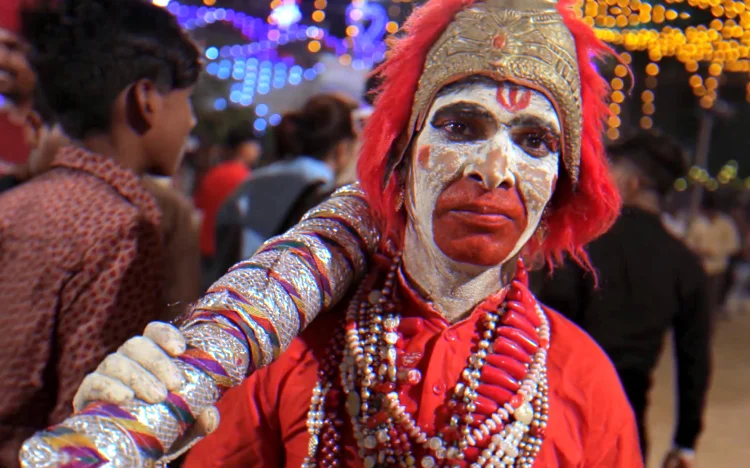
Tourism and cultural festivals have had a major impact on the Gindad dance, both boosting its visibility and raising awareness of its importance. These events offer opportunities to showcase the dance on a larger scale, promoting pride in cultural identity while fostering its evolution for modern audiences.
Final Thoughts
Gindad dance represents community unity, storytelling, and cultural heritage through its intricate movements and symbolism. Preserving traditional dances like Gindad is important, as they connect us to our roots and foster cultural identity in an ever-changing world, ensuring that these rich traditions continue to inspire future generations.